

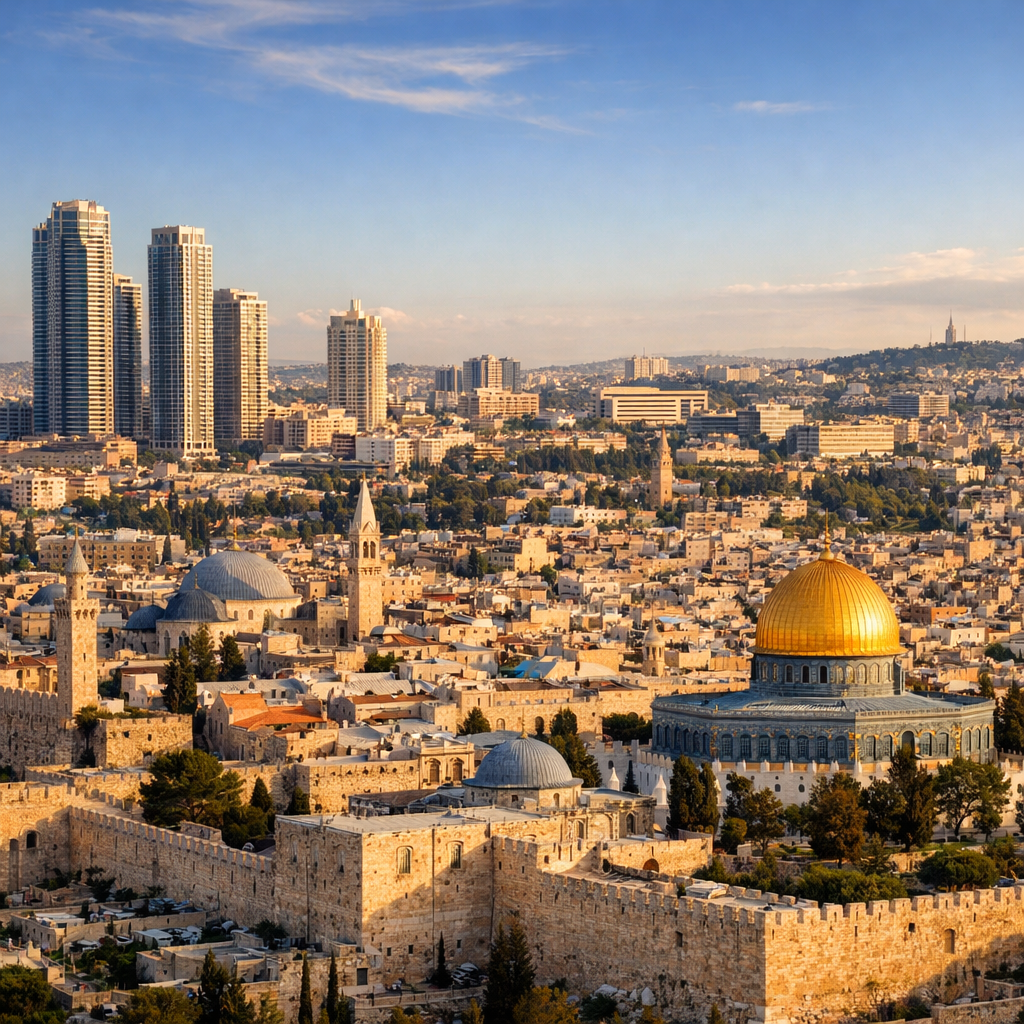
Jerusalem’s real estate market continues to captivate both local and international buyers, offering a unique blend of historical charm and modern living. Understanding the current market dynamics is essential for those considering investment or residency in the city.
Market Overview
The city’s property market is characterized by limited land availability and high demand, leading to steady price appreciation. Prestigious neighborhoods such as Rehavia and Mamilla command premium prices, with average rates of ₪55,000 and ₪65,000 per square meter, respectively. These areas attract diplomats, affluent families, and international investors seeking a foothold in Jerusalem.
Rental Market Dynamics
Jerusalem’s rental market is robust, supported by a diverse tenant base that includes students, professionals, and expatriates. Central and southern neighborhoods like Baka, Arnona, and Nachlaot are particularly popular, offering strong rental yields. Properties in these areas benefit from proximity to educational institutions, cultural centers, and public transportation, making them attractive to long-term renters.
Urban Renewal and New Developments
The city is witnessing significant urban renewal projects aimed at revitalizing older neighborhoods and increasing housing supply. Notable developments include:
PELE Park View
Located between Nurit and Costa Rica streets, this project plans to replace aging 1950s housing with two 22–25-story residential towers, a 12-story building, and a commercial center. The development emphasizes community integration by incorporating public amenities such as kindergartens, a synagogue, and a community center.
Basel Project
In the Kiryat Moshe neighborhood, the Basel project introduces two buildings of 31 and 9 stories, adding 189 new housing units. The design integrates public spaces and a communal courtyard, fostering a sense of community among residents.
SOHO Jerusalem
Situated in the Katamon neighborhood, SOHO Jerusalem is part of the national “Pinui Binui” program. It involves replacing five low-rise buildings with five 35-story towers, each containing 220 apartments. The project includes public facilities like kindergartens and a synagogue, enhancing the neighborhood’s infrastructure.
Investment Considerations
For potential investors, Jerusalem offers a resilient market with opportunities for both capital appreciation and rental income. The combination of limited supply, ongoing urban renewal, and consistent demand positions the city as a compelling choice for real estate investment. Prospective buyers should conduct thorough research and consider engaging with local real estate professionals to navigate the market effectively.
In summary, Jerusalem’s real estate landscape is evolving, presenting a mix of traditional charm and modern developments. Staying informed about market trends and neighborhood dynamics is crucial for making informed decisions in this vibrant city.