

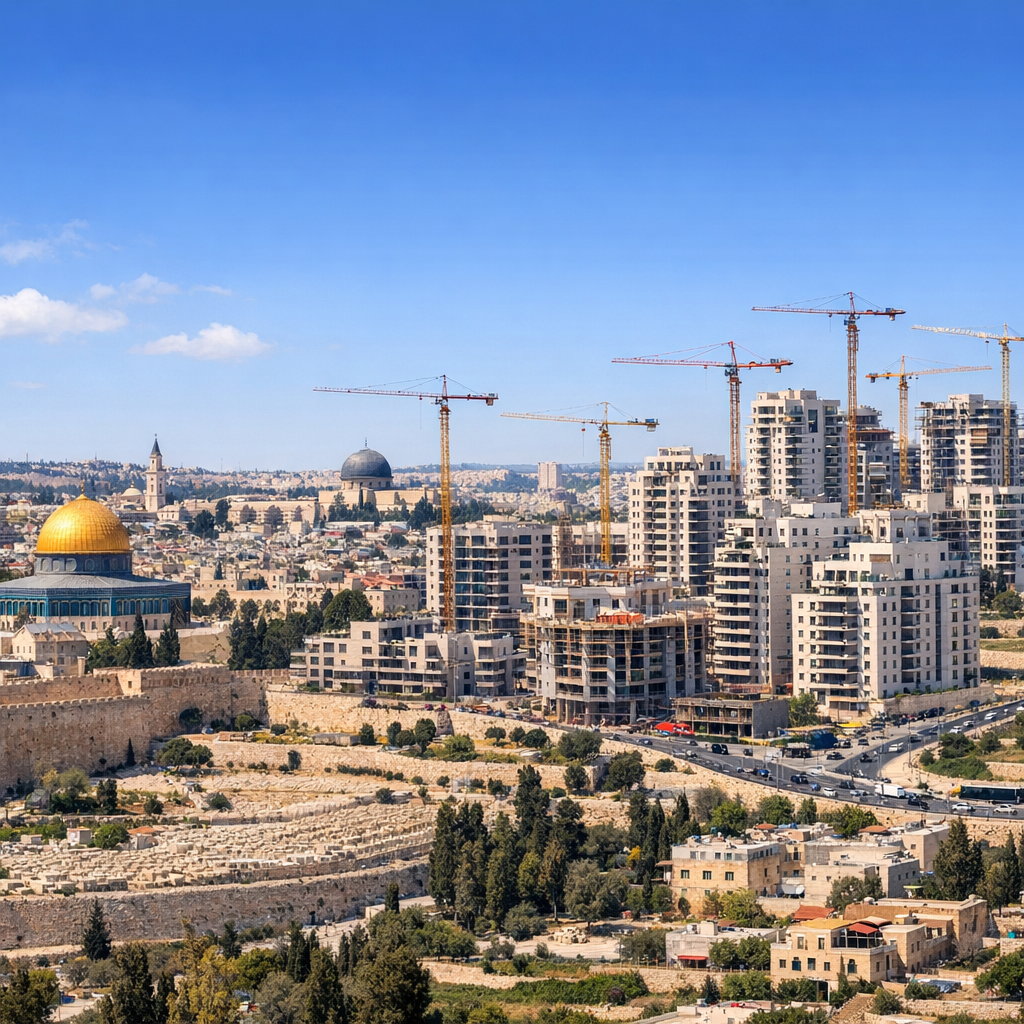
Jerusalem’s real estate market is experiencing significant transformations, marked by new developments and evolving buyer preferences. Understanding these changes is essential for prospective buyers and investors.
Market Trends and Buyer Preferences
Recent data indicates a steady increase in housing prices, with a 5% rise over the past year. However, a slowdown in transaction activity has shifted the market dynamics, creating more favorable conditions for buyers. This trend is particularly evident in central areas, where sellers are more inclined to negotiate, especially for business and comfort-class apartments. Factors contributing to this shift include macroeconomic instability, regional conflicts affecting buyer sentiment, and an increase in housing supply due to new projects in neighborhoods like Gilo, Arnona, and Pisgat Ze’ev.
New Developments Reshaping the City
Several urban renewal projects are underway, aiming to modernize Jerusalem’s housing landscape. Notable developments include:
- PELE Park View: Located between Nurit and Costa Rica streets, this project plans to replace aging 1950s housing with two 22–25-story residential towers, a 12-story residential building, and a four-level commercial center. The design integrates public amenities such as kindergartens, a synagogue, and a community center, fostering a vibrant urban environment.
- Givat HaMatos: This new neighborhood is set to offer 2,561 housing units across 176,000 square meters, emphasizing green spaces and community facilities. Its strategic location provides easy access to major parts of Jerusalem, enhancing its appeal to potential residents.
- Kidmat Gonen: Situated in the Katamon neighborhood, this development is part of Israel’s national “Pinui Binui” program. It plans to replace five existing low-rise buildings with five new high-rise towers, each containing 220 apartments, along with public amenities like kindergartens and a synagogue.
Implications for Buyers and Investors
The influx of new developments offers a broader range of housing options, from luxury apartments to more affordable units. Buyers are increasingly favoring properties that provide modern amenities, energy efficiency, and proximity to public transportation. Investors should note the growing preference for new constructions over second-hand homes, as buyers seek properties that meet contemporary standards and offer long-term value.
Conclusion
Jerusalem’s real estate market is in a dynamic phase, characterized by rising prices, increased housing supply, and changing buyer preferences. Staying informed about these trends is crucial for making strategic decisions in this evolving landscape.